Yes, you have to boil the jars after the lids go on.
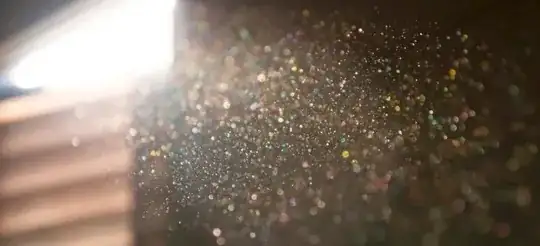
There is dust in the air. Each dust particle has at least 4 to 5 bacteria living on it, or there are mold spores living on the dust particle.
If a single grain of dust enters your mason jars while the lid is off, and then you put the lid on, then the jars must be heated until the inside of the jar is above 212° Fahrenheit (100° Centigrade).
Sterilizing the jars of food before filling the jars with food serves no useful purpose.
There will always be at least one grain of dust which lands in the food before the lid is put on.
Given that microorganisms replicate and spread, your sterile glass jar will become non-sterile after a dust particle lands on it.
Before the lid is applied to the top of the jar, the jar is guaranteed to have live micro-organisms inside of the jar.
The purpose of the lid is to prevent any more additional micro-organisms from penetrating the inner confines of the your jar of food.
After sealing the jar shut, to keep out new-commers, you must immerse the seal jar of contaminated food inside of a pot of boiling water for at least 45 minutes in order for heat from the hot water to migrate through the glass and into the inner contents of the jar.
Even more time is needed for jars larger than a quart, such as one-gallon jars.
The heat will kill the micro-organisms, not the water itself.
So... the lid keeps new germs out, but the germs from a single speck of dust which drifted down into the jar while the lid was off must still be killed.
Kill the germs inside the jar by immersing the entire jar in boiling water after the lid goes on.
Anything inside of the jar, except the bacteria from a hot springs or deep sea lava vent, will be sterile after the jar is sealed and immersed in boiling water for a long time.


