It took a while but I finally did the experiment.
Note that my burner is quite a bit smaller and simpler than a Trangia, and I don't suggest applying my results blindly to a stove with any form of jets or a bigger cup. Testing a different stove under controlled conditions would be a good idea before relying on this.
The flashpoint and autoignition temperature of the various fuels didn't seem to be a good predictor of how useful they'd be.
The stove was built for meths (UK composition denatured alcohol*), and this was indeed the best fuel. Various others will work to some extent, though I wouldn't plan for them. If I did, I'd restrict the burner diameter (in fact I've now made a simmer ring/choke for this stove anyway).
A spreadsheet with the results is on Google docs, but they're summarised below.
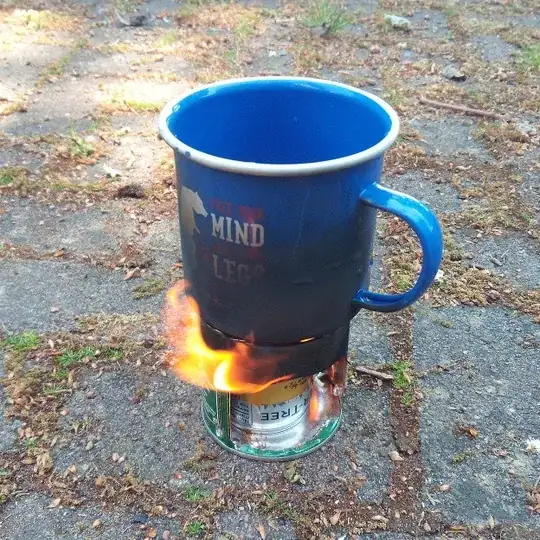
Acetone worked quite well. "Pure" acetone is available with the nail polish removers in some shops (or my regular supermarket stocks 98% as extra strong nail polish remover). This is probably the best fallback but the flames did escape a bit.
Isopropanol and methanol are probably harder to get hold of than meths, at least in the UK. Of these, methanol is cleaner-burning.
I suspect that an acetone-free remover with fewer ingredients would work quite nicely. The one I used was a fancy brand touting the benefits of vitamins and chamomile extract. These are based on ethyl acetate.
The cheap acetone-based nail polish remover I used had too much water to be very useful.
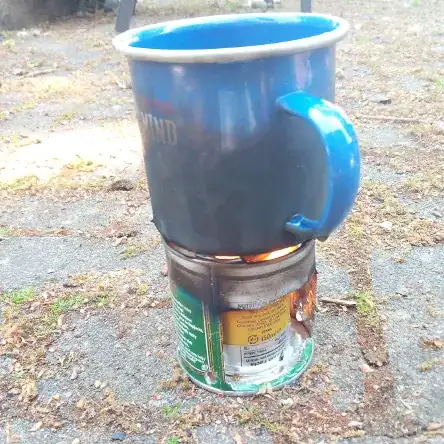
My experiment used a home-made open-cup burner. The burner, made from a mixer-size aluminium can, is about 50 mm across. The top of the burner is around 40 mm below the bottom of the steel mug, but the fuel was about 20 mm lower (I can easily cook noodles or porridge with meths to 10 mm below the top). The ambient temperature was 18°C. The final water temperatures may be a little high as I used an IR thermometer (I don't have a normal thermometer covering that range). I used 10 ml of each fuel, and 200 ml of fresh cold water each time.
For anyone considering replicating this: I had long matches for lighting, was on concrete well away from anything flammable, and had the means to smother any excessive flames. When refilling the burner, I lifted it out of the windshield by hand, which ensured it was cool (so no risk of flash ignition).
|                                     |    Temperatures / °C    |                  |                                                                                                                                                      |                                                                                                                                                                                                             |
| Fuel                                | Start             | End | Burn time (mins) |                                 Burn notes                                                                                                           |                                     Composition notes                                                                                                                                                       |
|-------------------------------------|-------------------|-----|------------------|------------------------------------------------------------------------------------------------------------------------------------------------------|-------------------------------------------------------------------------------------------------------------------------------------------------------------------------------------------------------------|
| Methanol                            | 16                | 75  | 5                | Only about 9.5ml. Invisible flame.  Hissing                                                                                                          | Lab grade                                                                                                                                                                                                   |
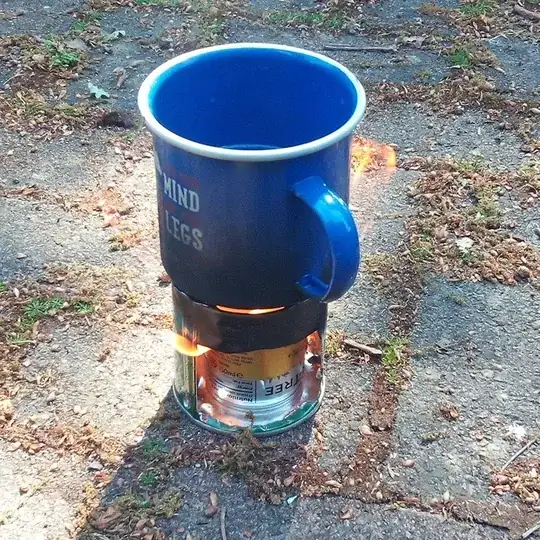
| Isopropanol                         | 16                | 73  | 4                | Yellow flames escaping. Smelly (like some BBQ lighter fuels), smoky, and sooty                                                                       | Lab grade                                                                                                                                                                                                   |
| Acetone                             | 15                | 73  | 3                | Yellow flames escaping, smoky. Not as bad as IPA                                                                                                     | Lab grade                                                                                                                                                                                                   |
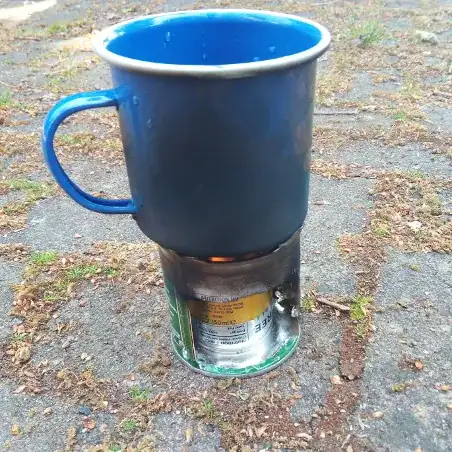
| Methylated spirits (meths)          | 15                | 81  | 6                | A hint of yellow in the flames. Fully contained.                                                                                                     | >90% Ethanol, <10% Isopropanol, <10% Methyl-ethyl ketone                                                                                                                                                    |
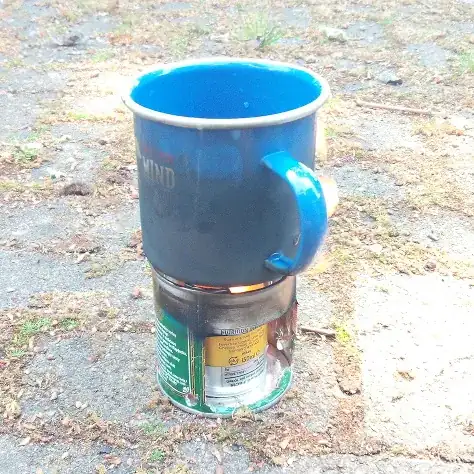
| Nail polish remover (Acetone-based) | 15                | 60  | 3                | Loud hissing. Poorly contained. 1-2ml of almost odourless watery residue when burning stopped                                                        | Acetone, Aqua, Glycerine                                                                                                                                                                                    |
| Nail polish remover (Acetone free)  | 16                | 74  | 8                | Yellow flame but well contained, fairly clean until the end. Very slow at end, left a smouldering residue that smelt a little like burning plastic.  | Ethyl Acetate, Isopropyl Alcohol, Aqua, Dimethyl Succinate, Dimethyl Glutarate, Dimethyl Adipate,  Panthenol, Tocopheryl Acetate, Anthemis Nobilis Flower Extract, Propylene Glycol, Benzophenone-3, Parfum |
Here's a selection of photos. They're presented in the order I did the experiments, and I didn't clean the soot off in between.
Isopropanol (note flames escaping. It's not a good idea to put the handle near the lighting aperture in the windbreak/stand):
Acetone (most of the soot on the mug was from the previous burn, isopropanol):
Meths, or how the flames should look:
Acetone-based nail polish remover (too much water):
Acetone-free nail polish remover (mainly ethyl acetate):
 * Modern UK meths generally includes isopropanol, not methanol, along with the ethanol. This means it burns a bit more visibly than older formulations.


